
Building Multilingual Speech Datasets for 100+ Languages
Speech AI only works as well as the voices it was trained on. A practical look at planning speech datasets that cover languages, accents, demographics and real acoustic conditions.
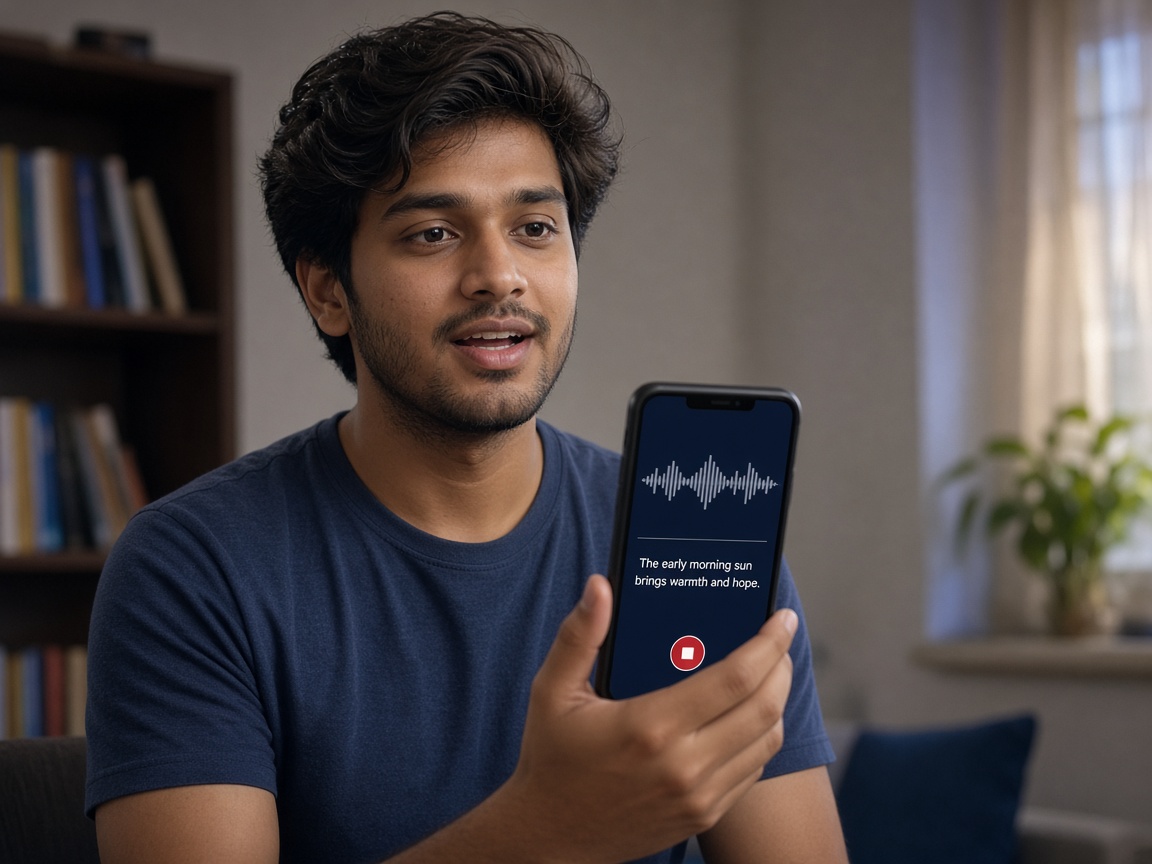
Voice assistants, call-centre analytics and text-to-speech systems are expanding into every market. Yet many models still struggle with regional accents, code-switching and noisy real-world audio. The fix almost always starts with better speech data.
Start with your users, not your script
Before writing a single prompt, define who will use your product. Which languages and dialects? Which age groups? Which devices — phones, smart speakers, cars? Which environments — quiet homes, busy streets, call centres?
These answers become demographic quotas and recording specifications that keep the dataset balanced.
Choose the right type of speech
- Scripted read speech — fast to collect and easy to transcribe; great for coverage of vocabulary and phonemes.
- Semi-scripted prompts — contributors respond to scenarios in their own words.
- Spontaneous conversation — the most natural data, essential for conversational AI.
- Commands and wake words — short utterances for keyword spotting.
Most production ASR systems need a blend of all four.
Pick the right recording channel
Mobile app collection
Android and iOS apps reach large, diverse speaker pools quickly and capture real device acoustics.
Web app recording
Browser-based recording makes onboarding fast and works well for remote and enterprise-controlled programmes.
Acoustic studio recording
For TTS voices, AI dubbing and voice cloning, studio-grade audio in a controlled environment is non-negotiable.
Quality is a process, not a step
Good speech programmes check audio specifications (sample rate, bit depth, signal-to-noise ratio), script adherence, pronunciation and speaker metadata — continuously, not just at the end. Human review catches issues automated checks miss, such as wrong language, mumbled prompts or background speakers.
Don't forget low-resource languages
Many of the world's languages have very little public speech data. Reaching native speakers of these languages — and transcribing them accurately — requires local networks and linguistic expertise.
How Dhvani.ai helps
Dhvani.ai collects speech data through mobile app, web app and acoustic studio channels across 100+ languages, with native speakers, demographic balancing, scripted and spontaneous speech, and quality-controlled, consent-driven workflows. Tell us about your model and we will design a dataset around it.