Human-in-the-Loop: Why LLM Evaluation Still Needs People
Automated benchmarks are useful, but they cannot judge tone, cultural nuance or real-world helpfulness. Why human evaluation remains essential for trustworthy LLMs.
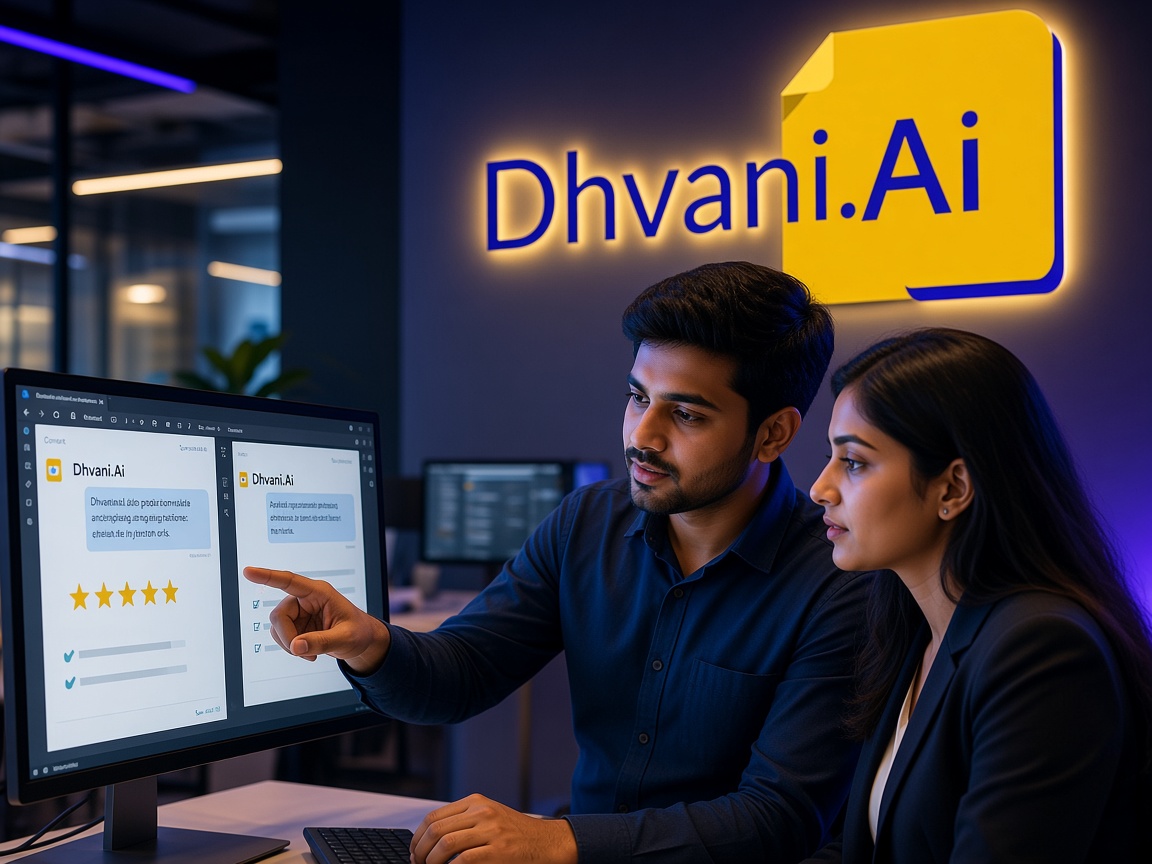
Large language models are evaluated on dozens of public benchmarks. Scores keep rising — yet users still encounter answers that are confidently wrong, culturally off or unhelpful. The gap between benchmark performance and real-world quality is where human evaluation earns its place.
What automated metrics miss
Automated metrics are fast and cheap, but they struggle with:
- Factual correctness in open-ended answers
- Helpfulness — did the response actually solve the user's problem?
- Tone and safety — is it respectful, appropriate and free of harmful content?
- Cultural and linguistic nuance, especially in regional languages
- Instruction-following across complex, multi-step prompts
How human evaluation works
Custom rubrics
Good evaluation starts with a clear rubric: what does a great, acceptable or failing answer look like for your product? Rubrics turn subjective judgement into consistent scores.
Side-by-side preference ranking
Reviewers compare two or more responses and choose the better one. These preferences power RLHF and help teams choose between model versions.
Reviewer calibration
Before production, reviewers score the same samples and discuss disagreements until they align. Ongoing agreement checks keep quality stable.
A model is only as trustworthy as the process used to evaluate it.
Multilingual evaluation is different
Translating an English benchmark into Hindi or Gujarati does not create a fair test. Native-language reviewers catch unnatural phrasing, wrong honorifics and culturally inappropriate content that translated benchmarks never surface.
Beyond text
Modern AI is multimodal. Human evaluation also matters for ASR accuracy, TTS naturalness, computer vision precision and generated images and video.
How Dhvani.ai helps
Dhvani.ai provides multimodal, multilingual human-in-the-loop validation and AI model evaluation — training-data validation, LLM output evaluation and alignment, conversational AI QA and generative AI assessment — with custom metrics, reviewer calibration and secure workflows aligned with GDPR, HIPAA and ISO 9001:2015 practices.